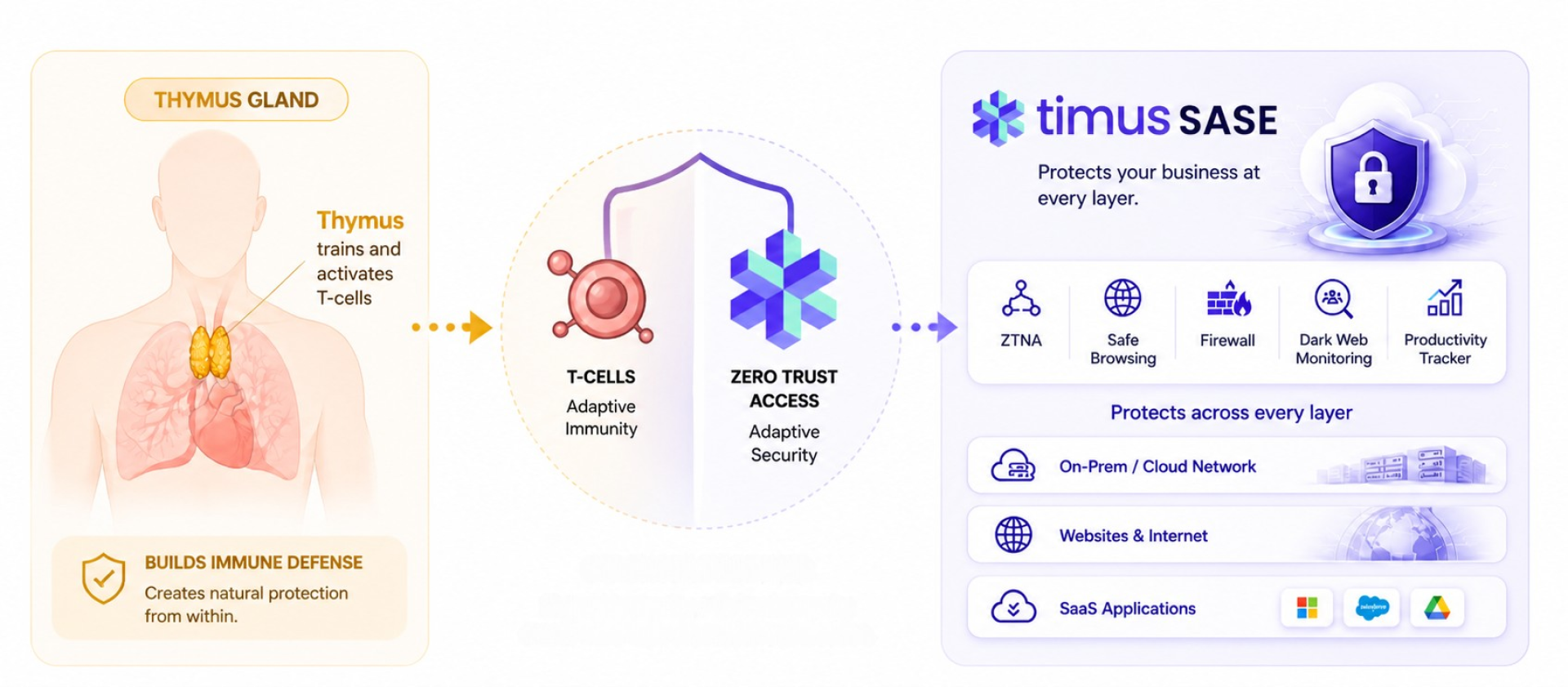


Identity Is the New Network Perimeter
March 11, 2026, at 1:00 pm EST
The traditional network perimeter was built around offices, fixed IP ranges, and controlled infrastructure.
The network perimeter used to be a building.
Now it’s a person.
Users move between offices, homes, airports, and client sites. Devices connect from anywhere. Credentials get phished. Risk changes mid-session.
Yet many access models still assume trust after a single login or a VPN connection.
In this session, Firefly CTIO Shane Eldredge joins us to break down why identity, not only the network, is now the true security control plane.
We’ll explore what continuous identity validation through adaptive zero trust looks like in real MSP environments, how device posture and context influence access decisions, and why static Zero Trust models are no longer enough.
This session explores what that actually means for MSP operations
Fill out the form to save your seat →
Key Takeaways

Identity-Based Zero Trust replaces static network assumptions
Modern Zero Trust security is no longer about granting access once and hoping nothing changes. MSPs learn how continuous identity verification and device awareness replace traditional VPN and perimeter-based models, creating stronger protection across distributed users.
Continuous verification reduces risk during active sessions
Access should not be trusted just because someone logged in successfully. This session explains how identity-driven security continuously evaluates user behavior and device posture, adjusting access in real time when risk changes.
Stronger security without added operational friction
When identity becomes the control plane, MSPs reduce access-related tickets, eliminate VPN dependency, and gain clearer visibility across clients. The result is more predictable operations and more confident compliance conversations in 2026.
Meet the Speakers

Jesse Moldovan
Sr. Account Manager
Timus

Shane Eldredge
CTIO
Firefly
Recognized Across the MSP Channel















Frequently Asked Questions
What is identity-based Zero Trust?
Identity-based Zero Trust is a security model where access decisions are based on who the user is, the health of their device, and real-time risk signals — not just network location or VPN connection. Instead of trusting users after login, access is continuously evaluated throughout the session to reduce exposure if conditions change.
Is Zero Trust the same as SASE?
No. Zero Trust is a security philosophy that focuses on continuous verification of users and devices. SASE is a cloud-delivered architecture that combines networking and security services into one platform. Many modern SASE platforms use Zero Trust principles to enforce secure access across distributed environments.
How does Zero Trust reduce VPN risk?
Traditional VPNs grant broad network access after authentication. If credentials are stolen or a device becomes compromised mid-session, attackers can move laterally. Zero Trust reduces VPN risk by continuously validating identity and device posture and limiting access to only what is necessary, adjusting access in real time if risk increases.
Why is identity access management critical for MSPs?
MSPs manage distributed users across multiple clients. Identity access management ensures that access decisions are based on verified users, compliant devices, and contextual risk signals. This reduces support tickets, strengthens compliance posture, and creates a more predictable security model across all environments.



 Tie-mus (like “time-us,” but sharper)