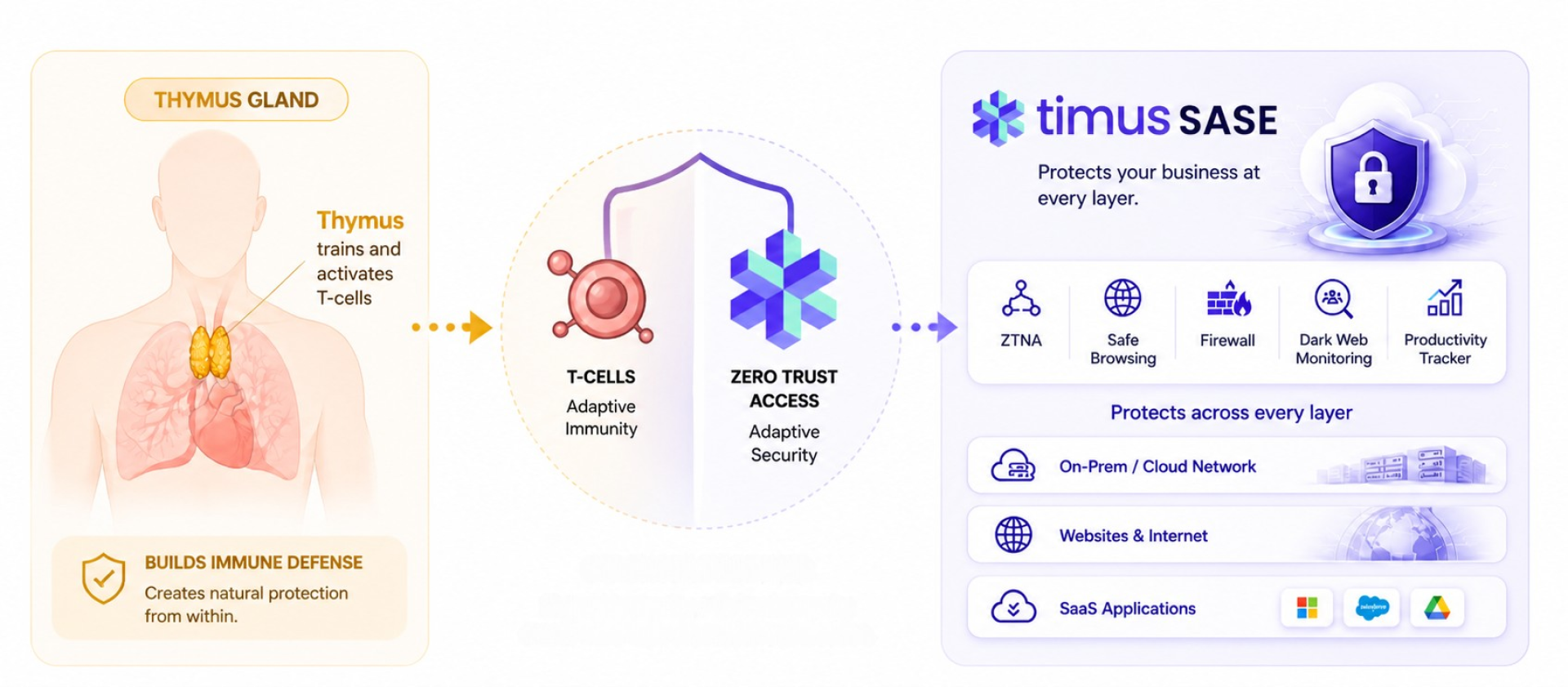



MSPs serving healthcare, finance, and legal clients carry a different kind of pressure to keep data safe, follow strict rules, and maintain trust with their customers. Moving to cloud-based systems and remote work adds even more challenges, making secure compliance a top priority. Traditional security tools often struggle to manage these new demands, leading many organizations to look for flexible solutions.
This is where Secure Access Service Edge (SASE) comes in, combining networking and security to simplify managing compliance, improve data protection, and reduce risks. By using key SASE components, businesses can handle complex regulations more easily and lower the risk of errors. For companies wondering how to implement SASE or improve their existing approach, adopting it correctly can help achieve strong security and smooth operations.
In this blog, we will explore practical steps for SASE deployment, compliance management, and risk reduction so you can confidently protect your business and meet regulatory needs.
Why SASE Matters in Regulated Environments
In regulated environments, compliance is not just about security controls. It is about visibility, documentation, and enforceable policy across every user and device. MSPs managing multiple regulated clients must ensure controls are consistent, traceable, and defensible during audits.
SASE supports this by unifying secure access, cloud inspection, and Zero Trust enforcement into a centralized architecture built for distributed workforces.
Key Reasons SASE is Essential:
- Unified Security: Consolidates Zero Trust access, CASB, SWG, and firewall services into one policy framework, reducing tool sprawl during audits.
- Simplified Compliance: Centralized visibility reduces manual reporting and cross-tool reconciliation.
- Data Residency Support: Enables regional inspection and logging to meet data sovereignty requirements.
- Scalable Protection: Maintains consistent enforcement across remote users, branch offices, and hybrid infrastructure.
Adopting SASE reduces risk, keeps your data safe, and helps maintain customer trust, critical in highly regulated industries.
4 Compliance Challenges in Implementing SASE with Effective Solutions
1. Data Residency Issues
- Challenge: Many regions require data to stay within specific geographic boundaries.
- Impact: Cloud-based SASE deployment often routes traffic through global points of presence, which can create compliance risks.
- Solution: Choose providers with local data inspection and logging options to maintain secure compliance.
2. Vendor Risk
- Challenge: Businesses depend heavily on a single vendor’s infrastructure and SASE components.
- Impact: A lack of transparency or limited certifications can jeopardize regulatory goals.
- Solution: Review vendor compliance certifications and SLAs before you adopt SASE.
3. Policy Alignment
- Challenge: Converting regulatory requirements into enforceable security policies can slow SASE implementation.
- Impact: Misaligned access controls or monitoring can lead to gaps.
- Solution: Engage compliance experts to ensure correct mapping when you implement SASE.
4. Complex Regulations
- Challenge: Industries like healthcare, finance, and government have overlapping, evolving compliance rules.
- Impact: Managing compliance becomes harder during SASE adoption.
- Solution: Use automation and reporting tools for better oversight and learn how to manage compliance continuously.
Addressing Data Residency Requirements with SASE
Keeping data within required geographic boundaries is critical for secure compliance in regulated industries. A well-planned SASE implementation helps achieve this without compromising performance.
Key Approaches:
- Local Traffic Inspection: Choose SASE components that allow traffic inspection and logging in-region, ensuring compliance with data sovereignty laws.
- Cloud PoP Selection: Use providers offering multiple Points of Presence (PoPs) so you can route data within required jurisdictions.
- Encryption & Key Management: Encrypt sensitive data in transit and at rest, with keys managed locally for stronger control.
- Compliance Reporting: Automated reports simplify managing compliance and proving adherence to regulators.
Benefits:
- Avoid regulatory fines and breaches.
- Build customer trust by ensuring sensitive information stays protected and compliant.
- Simplify processes for global companies balancing multiple rules.
How to Implement SASE in Regulated Environments
Implementing Secure Access Service Edge (SASE) in regulated industries requires a careful, step-by-step plan to meet compliance needs and secure operations. Below is a clear roadmap:
Step 1: Define Compliance and Security Goals
- Understand Regulations: Identify which laws affect your industry, such as HIPAA for healthcare and PCI DSS for finance.
- Focus on Secure Compliance: Determine what “success” looks like, such as better data security, simplified compliance management, or enhanced remote workforce protection.
- Set Measurable Goals: KPIs may include reduced breaches, faster audits, and fewer compliance penalties.
Without clear goals, even the best SASE implementation may not meet specific compliance requirements.
Step 2: Assess Current Infrastructure
- Map Your Environment: Document existing firewalls, VPNs, security monitoring tools, and connectivity solutions.
- Identify Gaps: Look for weaknesses in encryption, remote access, or audit trails before you implement SASE.
- Cloud Readiness Check: Ensure your network can integrate with SASE components like ZTNA and CASB.
You’ll know what to replace, upgrade, or integrate for a smoother SASE deployment.
Step 3: Select a Compliant SASE Provider
- Check Certifications: Look for SOC 2, ISO 27001, or FedRAMP-certified providers to support secure compliance.
- Verify Data Residency: Ensure the provider allows local traffic routing and logging to comply with region-specific laws.
- Evaluate Feature Set: Confirm that all core SASE components (ZTNA, CASB, FWaaS, SWG) are included.
- Assess Reputation: Choose a vendor known for reliability and transparency to minimize vendor risk as you adopt SASE.
Align provider selection with your compliance goals for long-term scalability.
Step 4: Develop an Integration Roadmap
- Phased Rollout: Deploy SASE model in stages (e.g., remote teams first, then branch offices) to minimize disruptions.
- Risk Planning: Prepare backup solutions in case of migration challenges or downtime.
- Cross-team Involvement: Involve IT, security, compliance, and leadership early to keep everyone aligned.
A well-structured roadmap avoids rushed SASE deployment mistakes.
Step 5: Align Policies with Regulatory Needs
- Convert Regulations into Controls: Map each rule into enforceable security policies within your SASE framework.
- Automate Reporting: Use compliance dashboards to simplify audits and demonstrate to regulators your ability to manage compliance effectively.
- Adopt Zero Trust: Apply least-privilege access to reduce internal and external risks.
Stronger regulatory alignment and easier audits.
Step 6: Train Teams and Adopt Change
- User Training: Teach employees secure access methods and data handling practices.
- Admin Upskilling: Equip IT teams to handle new SASE components confidently.
- Change Acceptance: Clearly communicate the benefits to help teams embrace new workflows and successfully adopt SASE.
Faster adoption and fewer errors during changeover.
Step 7: Monitor and Optimize Continuously
- Continuous Monitoring: Implement automated systems to track security performance and policy compliance.
- Audit Readiness: Keep documentation and logs organized to simplify future inspections.
- Ongoing Updates: Regularly review configurations, fix issues, and enhance SASE implementation over time.
A secure, compliant network that evolves with regulations and business growth.
Leveraging Key SASE Components for Compliance and Risk Management
When evaluating SASE for regulated clients, MSPs should focus on how each component contributes to compliance defensibility. Controls must not only prevent threats — they must generate the visibility and reporting regulators expect.
| SASE Component | Role in Compliance & Risk Management |
|---|---|
| Cloud Access Security Broker (CASB) | Provides visibility and control over cloud applications, ensuring secure compliance with SaaS usage. |
| Zero Trust Network Access (ZTNA) | Grants access based on user identity and context, reducing unauthorized access and supporting strict regulations. |
| Firewall-as-a-Service (FWaaS) & Secure Web Gateway (SWG) | Offer advanced filtering, threat detection, and web traffic protection as part of the cloud-based SASE implementation. |
| Continuous Monitoring Tools | Automate auditing, reporting, and policy validation, making managing compliance simpler and more reliable. |
Final Words
Regulated clients expect more than perimeter security. They expect documented controls, regional data governance, and proof that access is continuously enforced. For MSPs, that means moving beyond fragmented tools toward an architecture that aligns security with compliance from the start. A properly implemented SASE framework provides centralized policy control, data residency enforcement, and automated reporting that stands up to audit scrutiny.
Compliance should not depend on manual processes or scattered logs. It should be embedded into the network itself. That is what modern SASE architecture enables for MSPs serving regulated industries.
Everything You Wanted to Know About Dynamic Cloud Firewalls
1. Can Timus SASE Replace Traditional VPNs?
Yes. Timus SASE uses Zero Trust Network Access ZTNA) to provide secure, identity based access, eliminating the need for outdated VPNs and improving compliance and security.
2. How Long Does A Typical SASE Deployment Take?
You can deploy Timus SASE less than 30 minutes
3. What Industries Benefit Most From Timus SASE?
Industries such as healthcare, finance, government, and legal sectors benefit most from Timus SASE due to their strict compliance and data protection requirements.
4. Is Timus SASE Suitable for Small Businesses with Strict Compliance Needs?
Yes. Timus SASE is scalable, making it suitable for small and mid-sized businesses that need secure compliance and simplified risk management.
5. What Are the Key SASE Components for Compliance?
Essential SASE components include Zero Trust Network Access (ZTNA), Cloud Access Security Broker CASB, Secure Web Gateway (SWG), and Firewall-as-a-Service (FWaaS).



 Tie-mus (like “time-us,” but sharper)